July 7, 2026
In today's fast-paced world, efficiency and convenience are more important than ever, especially when it comes to home appliances. Traditional tank water heaters are becoming less desirable as many households are discovering the advantages of modern tankless systems. But how do you know when it’s time to make the switch from a conventional tank water heater to a tankless one? This article outlines several signs to help you determine if a tankless water heater is the right choice for your home. From running out of hot water too fast to seeking environmental sustainability, these indicators will guide you in making an informed decision. With tankless systems promising energy efficiency and continuous hot water, these key signs can help you decide when a change is needed.
1. Running Out of Hot Water Frequently
When households expand with more family members, the demand for hot water naturally rises. A growing family likely utilizes more hot water due to increased laundry, dishwashing, and shower needs. In such cases, traditional tank-based systems often struggle to meet these elevated demands, leading to frequent hot water shortages. A tankless water heater, however, provides a continuous supply of hot water, helping every family member’s needs be met without disruption. As the hot water demand escalates, the efficiency of a tankless system becomes increasingly critical to household comfort.
Appliances that use hot water, such as dishwashers and washing machines, can significantly strain a conventional water heater's capacity. These appliances often run simultaneously, consuming large volumes of hot water in a short period. As a result, occupants may find themselves waiting for the water heater to recover and produce more hot water. A modern tankless system addresses this issue by delivering an on-demand supply of hot water, effectively supporting the usage of multiple appliances without a compromise in the water supply. This feature is particularly advantageous in homes that rely on appliance-driven convenience.
Individuals who enjoy lengthy showers often face the frustrating experience of running out of hot water. Traditional tank water heaters have a finite capacity, making it challenging for them to maintain a steady supply during extended use. Conversely, a tankless water heater can provide an uninterrupted stream of hot water, making it a perfect fit for those with a penchant for prolonged showers. The adoption of a tankless system can significantly enhance daily living experiences, providing comfort and satisfaction. Maintaining a steady flow of hot water becomes particularly crucial when entertaining guests, as additional users can swiftly exhaust a conventional tank heater.
2. High Energy Bills
One of the most significant financial burdens of traditional water heaters arises from keeping water hot even when it is not in use. Known as standby energy loss, this phenomenon contributes to elevated energy bills. Tankless systems eliminate this inefficiency, as they only heat water on demand, significantly reducing unnecessary energy expenditures. This transformation can lead to noticeable reductions in monthly energy costs, enhancing household budget management. With rising energy costs posing a challenge for many, adopting an efficient water heating system presents a sensible economic choice.
Traditional water heaters are designed to maintain a tank full of hot water, leading to inefficient heating cycles. These cycles require frequent activations to keep the water at the desired temperature, further increasing energy consumption. In contrast, a tankless water heater activates only when there is a demand, so less energy is wasted during idle periods. The efficient design of tankless systems results in not only reduced energy bills but also lowered carbon footprints, aligning with sustainable living goals. Embracing this modern technology equates to financial savings and environmental consciousness.
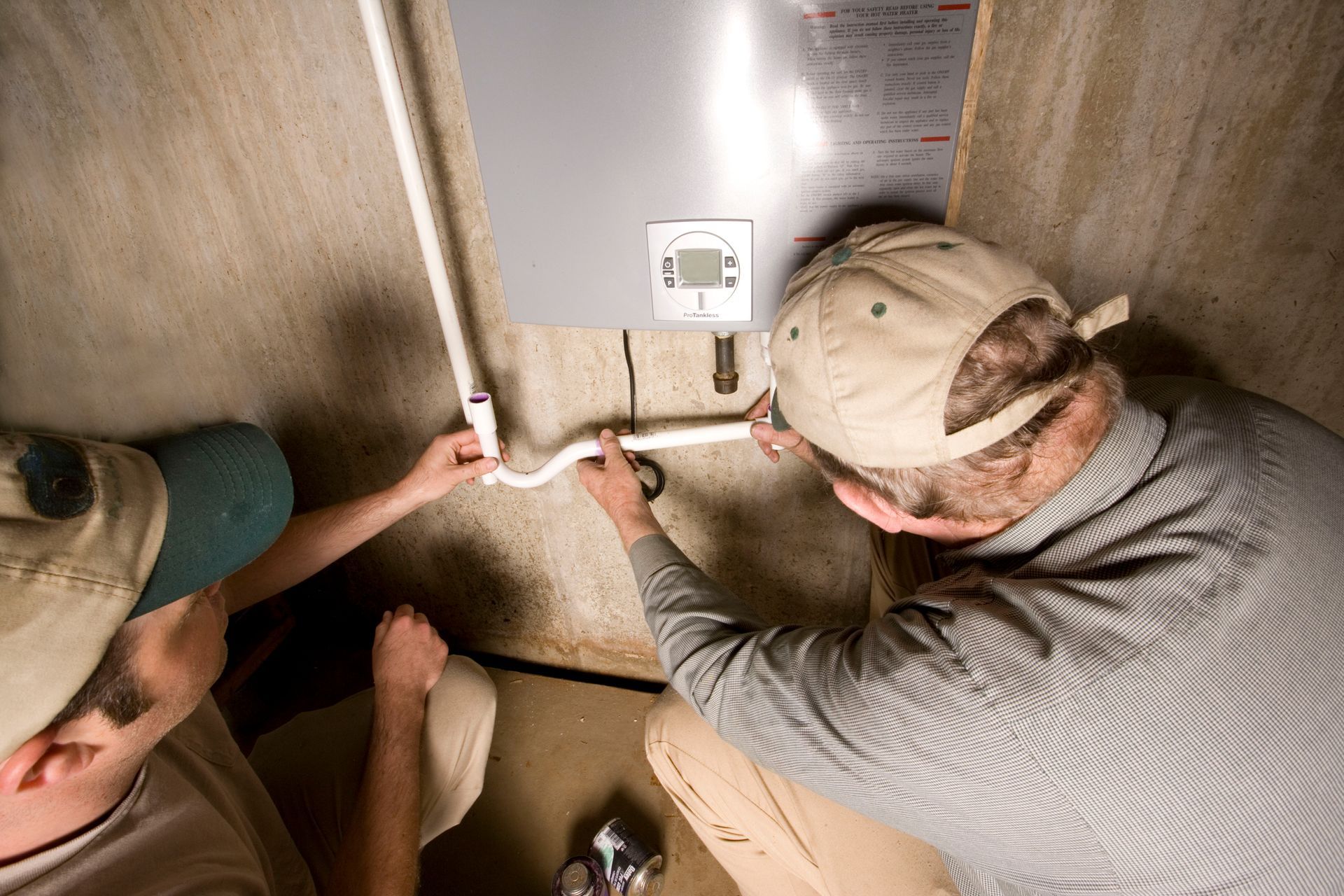
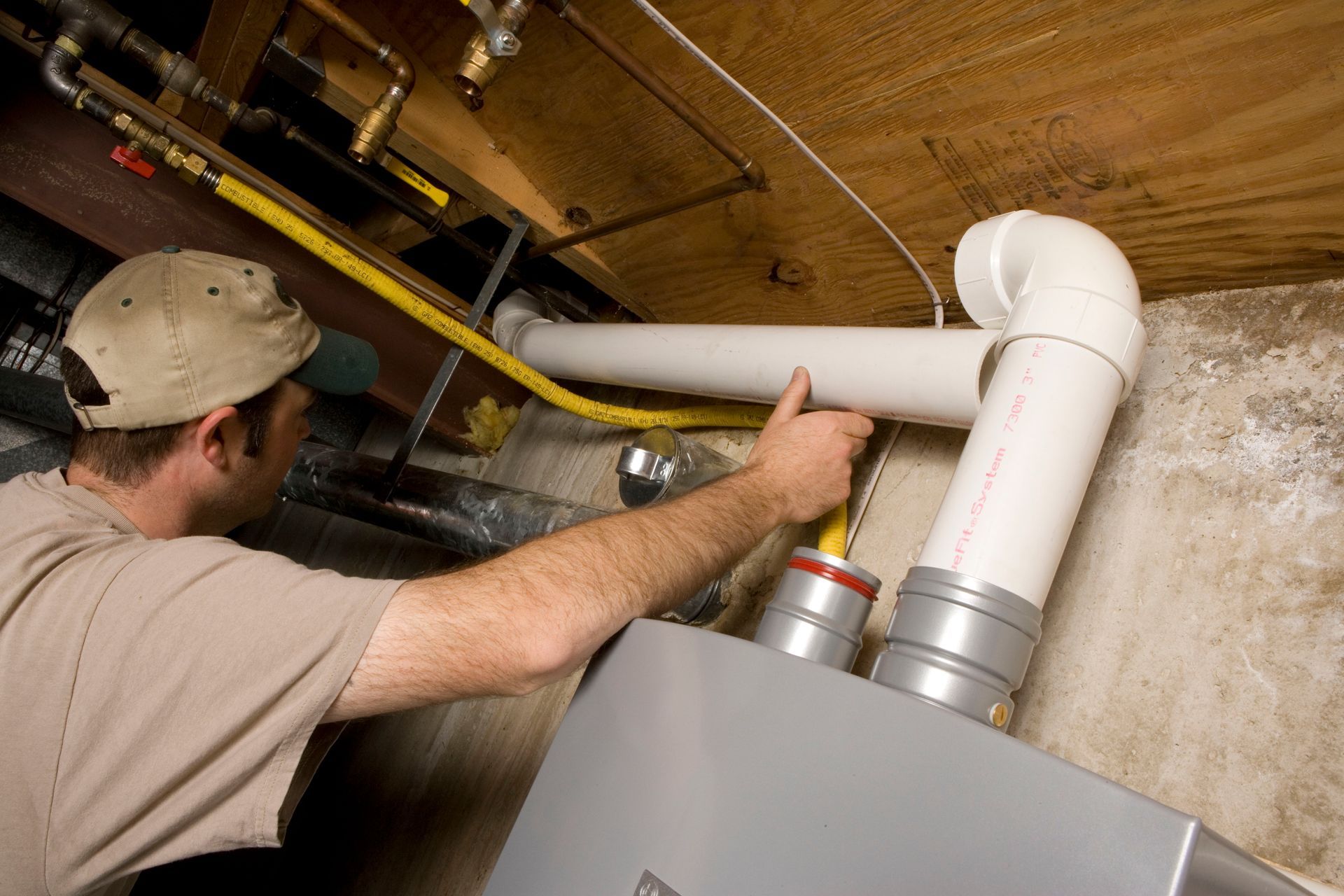
Older models of traditional water heaters tend to be less efficient due to outdated technology and wear over time. The inefficiencies inherent in these aging systems can lead to significant increases in energy bills. Replacing an old water heater with a tankless option modernizes home infrastructure, delivering advanced energy efficiency. With approximately 132,000 plumbing businesses operating in the United States, according to Jobber, professional assistance for installation is readily available. Consequently, upgrading to a tankless heater supports optimized energy use while allowing homeowners to rely on professional expertise for seamless integration.
3. Limited Space
Traditional tank water heaters consume a considerable amount of space within a home. Their bulky design places them as a dominant fixture in basements or utility rooms, often limiting available storage. In smaller homes or those seeking to optimize living spaces, this can pose a significant challenge. Switching to a tankless water heater liberates valuable space, given its compact design that can be installed on a wall or even in a closet. This transformation offers enhanced utility while freeing areas for alternative uses, increasing the overall function of home spaces.
The spatial freedom gained from a tankless water heater can be pivotal for homes needing additional storage or an optimized layout. With less space dedicated to water heating, homeowners have more flexibility in redesigning their utility areas, possibly incorporating laundry systems or additional shelving. The ability to reclaim and repurpose space aligns with modern living needs where every square foot counts. Furthermore, the tankless system offers aesthetic and functional benefits, contributing to cleaner and more organized home environments. This ability to enhance home space is a compelling reason for many to make the switch.
In certain jurisdictions, building codes require homes to meet specific space efficiency and infrastructure standards. Older tank systems may no longer comply with these evolving requirements, prompting the need for more space-efficient solutions. Tankless systems offer versatile installation options, meeting modern code compliance while supporting urban living trends. These units provide a seamless integration into existing homes or new builds, reflecting current design preferences that value minimalism and functional allocation of space. Embracing a tankless water heater can, therefore, support local standards while aligning with contemporary spatial design preferences.
4. Need for Consistent Temperature
Inconsistencies in water temperature can be a common issue with conventional tank water heaters. Sudden shifts from hot to cold water can become frustrating for households. Tankless systems resolve such issues by providing a stable, continuous flow of hot water tailored specifically to demand. This technology reduces the “cold water sandwich” effect, where residual cold water is pushed through the system before hot water arrives. Homeowners benefit significantly from a stable and uninterrupted water temperature, elevating the quality of everyday activities like cooking and bathing.
Modern tankless systems incorporate advanced technology to maintain a consistent water temperature regardless of demand. These units use precise sensors and controls to hold desired temperatures accurately, contributing to a superior user experience. Whether for a hot shower or washing dishes, immediate and consistent hot water transforms daily routines from cumbersome to convenient. Tankless heaters align with today’s smart home trends, allowing users to enjoy tailored water heating solutions. Such reliable technology makes a compelling case for those seeking improved household comfort and efficiency.
Beyond basic functionality, the consistent delivery of hot water through a tankless system enhances household activities significantly. When engaging in everyday tasks that require hot water, users can trust in a steady supply without the interruptions common with traditional tanks. By reducing temperature fluctuations, tankless systems help activities be completed efficiently and comfortably, lowering stress and improving living environments. This improvement in daily life ties directly into the broader benefits of adopting tankless technology, supporting user satisfaction and system reliability. As efficiency and comfort remain top priorities, tankless water heating provides a practical solution.
Switching to a tankless water heater can offer numerous advantages, from financial savings to environmental sustainability and enhanced home comfort. Smart homeowners recognize that the benefits of a tankless system often outweigh the costs of maintaining an inefficient, traditional water heater. This comprehensive review of signs indicating the need for a tankless water heater reinforces the idea that proactive upgrades can vastly improve utility management and overall household satisfaction. If your current water heater system resonates with any of the issues highlighted, consider making the shift to a tankless system. By modernizing with energy-efficient technology, you'll enhance your home investment for years to come. Call Plumb Pro Services today for more.