July 17, 2026
Hot water is an important part of daily comfort. From showers and laundry to dishes and cleaning, homeowners rely on a dependable water heating system every day. When an older tank unit struggles to keep up, runs out of hot water, or takes up valuable space, it may be time to consider a different option. A tankless water heater can provide practical benefits for households that want better performance, improved efficiency, and a more modern approach to hot water.
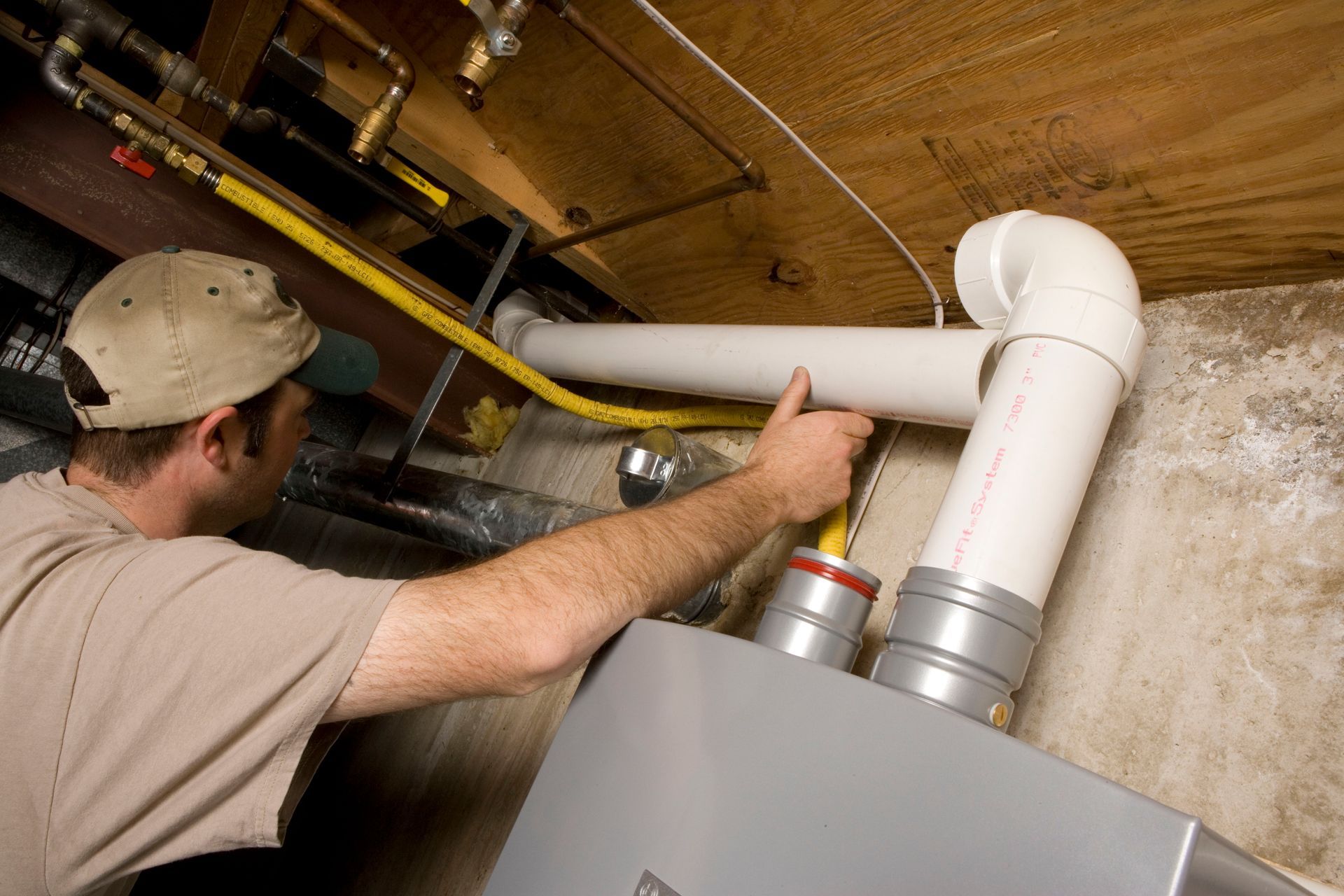
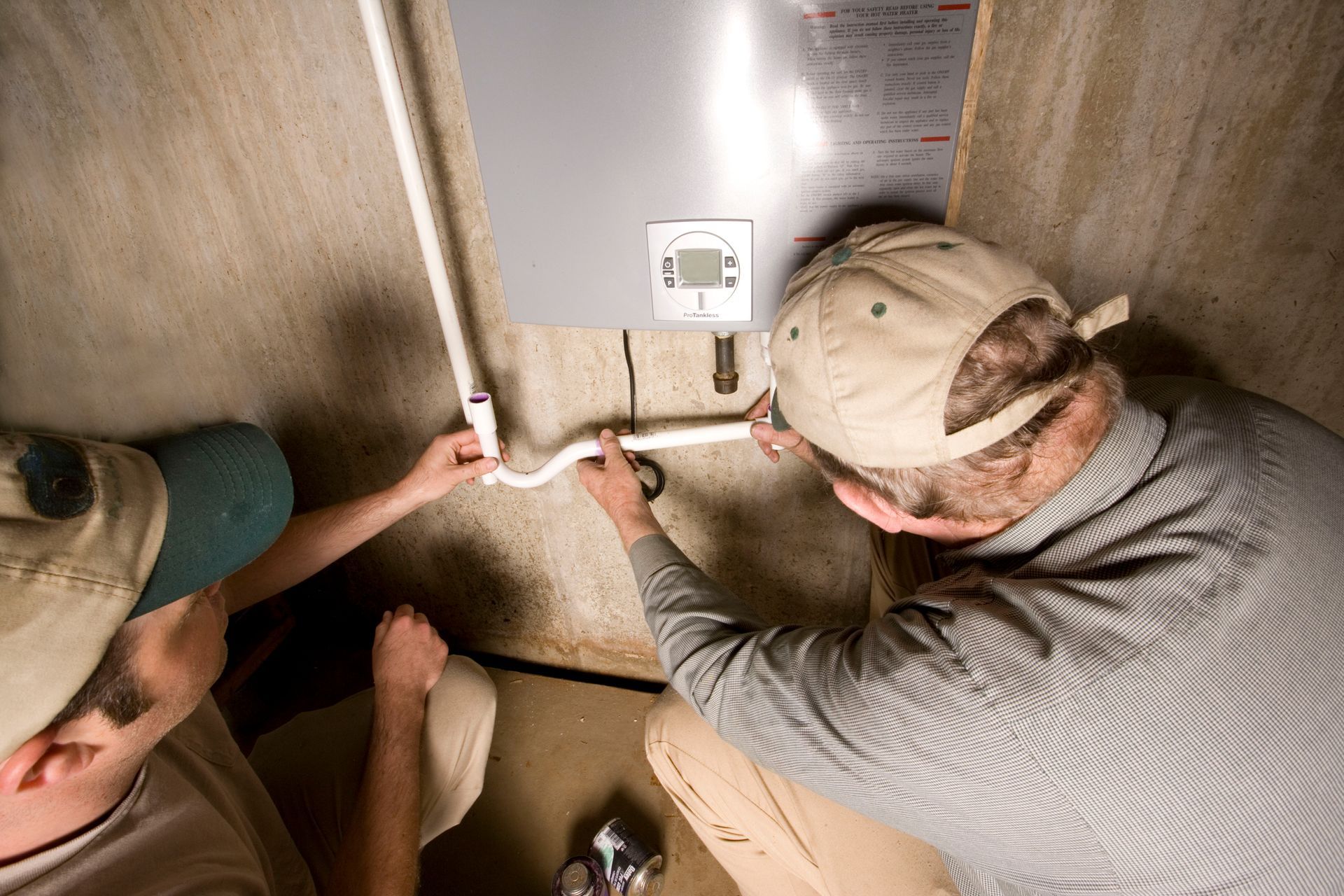
Unlike traditional storage tank systems, tankless models heat water as it is needed. This means they do not constantly store and reheat a large amount of water throughout the day. For many homeowners, this can lead to better convenience, lower energy waste, and a system that fits more easily into the home. Here are seven benefits of installing a tankless water heater.
1. Improving Hot Water Availability
One of the most appealing benefits of a tankless system is improved access to hot water. Traditional water heaters store a set amount of heated water in a tank. Once that supply runs out, the household must wait for more water to heat. This can be frustrating during busy mornings, back-to-back showers, or heavy laundry and dishwashing days. Larger families and households with frequent guests often notice these limitations more than homes with lower daily hot water demands.
A tankless water heater heats water on demand as it flows through the unit. This can provide a steadier supply of hot water when the system is properly sized for the household. Families that often struggle with running out of hot water may find this upgrade especially helpful. It can make daily routines smoother and reduce interruptions when multiple people need hot water close together. This added convenience helps support a more comfortable routine without waiting for a storage tank to refill and reheat.
2. Reducing Energy Waste
Traditional tank water heaters keep water warm throughout the day and night, even when no one is using it. This standby heating can waste energy because the system must continue working to maintain the stored water temperature. Over time, that repeated heating can add to household utility costs. As energy prices fluctuate, minimizing unnecessary heating cycles can become an important way for homeowners to better manage monthly utility expenses.
Tankless systems are designed to heat water only when there is demand. Because they do not constantly reheat a storage tank, they may use energy more efficiently in many homes. The amount of savings can depend on household water use, system size, fuel type, and installation quality. Still, reducing unnecessary energy waste is one of the major reasons homeowners choose this type of upgrade. Improved efficiency can also support more environmentally responsible living by reducing overall household energy consumption throughout the year.
3. Saving Valuable Home Space
A bulky storage tank can take up space in a basement, utility room, closet, garage, or laundry area. In smaller homes, condos, townhomes, or properties with limited storage, every square foot matters. A large water heater can make these areas feel cramped and harder to organize. Freeing up additional space can improve accessibility and make it easier to store seasonal items, cleaning supplies, or household equipment more efficiently.
Tankless systems are compact compared with traditional tank units. Many models can be mounted on a wall, helping homeowners free up floor space for storage, shelving, tools, or other household needs. This space-saving design can be especially useful during renovations, utility room updates, or projects where homeowners want a cleaner and more open layout. Their smaller footprint also gives homeowners greater flexibility when planning future remodeling projects or reorganizing functional spaces within the home.
4. Supporting Longer System Life
Homeowners want major appliances to last as long as possible. Replacing a water heater can be a significant home improvement project, so durability matters when choosing a new system. A well-maintained tankless unit can offer a long service life when installed correctly and cared for over time. Investing in durable equipment can reduce the frequency of replacements and provide greater confidence in the home's plumbing system for years ahead.
According to This Old House, tankless water heaters often reach a service life of roughly 20 years. That longer potential lifespan can make the investment more appealing for homeowners who plan to stay in their homes for many years. Regular maintenance, water quality, and professional installation all play important roles in helping the system perform properly for as long as possible. Scheduling routine inspections can help identify minor concerns early, supporting dependable performance and reducing the likelihood of unexpected repair needs.
5. Lowering Leak-Related Concerns
Traditional tank water heaters store many gallons of water at once. If the tank corrodes, cracks, or fails, the leak can cause damage to nearby flooring, walls, belongings, and finished spaces. While any plumbing system can develop problems, stored water can increase the amount of damage when a major tank failure occurs. Cleanup after a significant leak may involve repairs to drywall, flooring, insulation, and personal property, adding considerable time and expense.
A tankless water heater does not hold a large reservoir of hot water. This can reduce the risk of a major tank-style rupture. Homeowners should still watch for leaks, schedule maintenance, and respond quickly to warning signs, but the design can provide added peace of mind. For homes with finished basements or valuable items near the utility area, this benefit may be especially important. Although no plumbing system is completely risk-free, minimizing the volume of stored water can help limit potential damage if problems develop.
6. Providing Cleaner System Operation
Water heater tanks can collect sediment over time, especially in areas with hard water. Sediment buildup may affect performance, create noise, reduce efficiency, and shorten the life of the system. While tank units can be flushed, buildup is still a common concern as the system ages. Excess mineral deposits may also force the system to work harder, increasing wear on important components and reducing overall heating performance.
Tankless systems do not store water in the same way, which can help reduce some problems related to standing water and sediment accumulation inside a large tank. However, they still need care, especially in homes with mineral-heavy water. Professional flushing and maintenance can help protect internal components, support efficiency, and keep the system working dependably. Following the manufacturer's recommended maintenance schedule can also help maximize performance, improve reliability, and extend the system's useful operating life.
7. Increasing Home Convenience
A modern water heating system can improve the way a home functions every day. Homeowners may notice better comfort during showers, less waiting between hot water uses, and more flexibility when running appliances. For busy households, these everyday improvements can make a meaningful difference.
Installing a tankless water heater can also support long-term home value because many buyers appreciate efficient, space-saving, modern systems. While it may not be the right choice for every property, it can be a smart upgrade when the home's plumbing, fuel supply, and hot water needs are properly evaluated. A professional can help determine the right size and setup for reliable performance.
A tankless system can offer many benefits, including better hot water availability, reduced energy waste, space savings, longer service life, fewer tank-related leak concerns, cleaner operation, and greater everyday convenience. Choosing the right system is important because sizing, installation, ventilation, water quality, and maintenance all affect performance. Homeowners who are ready to upgrade should work with skilled professionals who can review their needs and recommend the right solution. To learn more about installing a tankless water heater, contact Plumb Pro Services.