September 17, 2026
Modern homeowners constantly seek innovative ways to streamline utility expenses and minimize environmental impact across their daily living spaces. Traditional water heating methods often waste power by keeping massive volumes of water elevated to high temperatures around the clock. Switching to on-demand heating solves this efficiency issue at the source by generating hot water strictly when a fixture opens.
Understanding how these advanced systems reduce power consumption empowers property owners to make informed infrastructure decisions for long-term comfort and cost control. Modern heating solutions optimize resource usage while maintaining a continuous supply for showers, laundry, and daily chores. Transitioning to tankless water heaters offers an effective path toward sustainable home management and lower overall utility demands.
Understand How On-Demand Systems Operate
Traditional heating units continuously store and warm large volumes of water inside a heavy internal reservoir. This conventional approach constantly wastes fuel through steady thermal dissipation, forcing system components to reheat stored water repeatedly throughout the day and night. On-demand equipment eliminates this constant energy draw by remaining entirely dormant until a household resident opens a fixture.
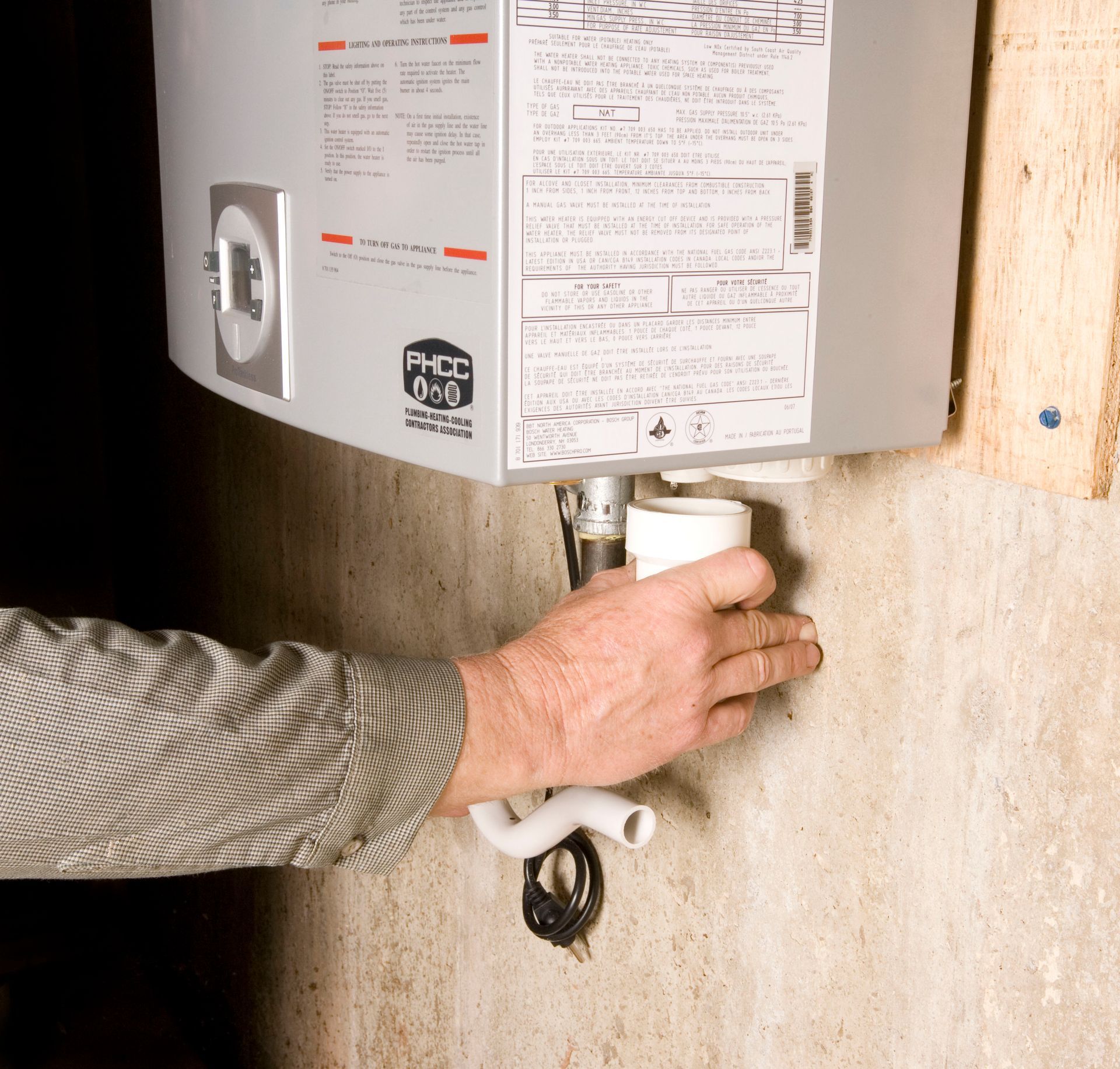
When a hot water valve opens, cold water travels through an inlet pipe directly into the modern unit. A high-powered heat exchanger rapidly elevates the incoming liquid to the target temperature within seconds. Because energy is consumed only during active water usage, standby loss drops to zero, delivering instant efficiency gains across the entire household.
Advanced control technology inside these modern units measures water flow rates and automatically adjusts heating elements to match exact demand. This precise operation guarantees consistent output temperatures without cycling system components unnecessarily. Establishing clear boundaries between active heating cycles allows tankless water heaters to provide exceptional energy control while protecting daily utility budgets.
Compare Storage Models With Tankless Alternatives
Conventional storage heaters rely on an insulated tank to hold preheated water continuously until someone turns on a tap. Over time, thermal energy naturally escapes through the outer shell of the tank, triggering burner assemblies to cycle repeatedly. This continuous cycle consumes gas or electricity constantly, even while residents sleep or leave the property unattended.
Compact on-demand units eliminate structural reservoirs, removing bulk while dramatically improving utility performance. Direct comparison proves that heating water instantly uses significantly less fuel than maintaining high temperatures across dozens of gallons all day long. Choosing tankless water heaters protects homeowners against steady energy drain while reclaiming valuable square footage inside utility rooms.
Eliminating bulky storage tanks also transforms how families experience daily household energy management and water access. Rather than waiting for a standing tank to slowly recover heat between shower uses, instantaneous units deliver continuous warm water without interruption. This modern design aligns resource consumption strictly with actual real-time domestic activities.
Evaluate the Physical Principles of Rapid Heating
Fundamental thermodynamic principles govern how thermal energy transfers into moving fluids inside modern heat exchangers. As incoming cold water circulates rapidly through specialized internal tubing, high-efficiency burner controls dynamically adjust thermal output. This rapid heat transfer ensures that consumed fuel converts directly into usable hot water without experiencing significant ambient loss to surrounding spaces.
Smart modulating burners continuously monitor incoming water temperatures and flow rates to optimize fuel consumption automatically. By modulating heat output according to live sensor feedback, these units prevent wasted energy during periods of low water usage. Consumers increasingly embrace this technological shift as public awareness surrounding sustainable home operations continues to grow.
In fact, according to market research conducted by The Farnsworth Group, 31.6% of property owners expressed plans to upgrade their residences with tankless water heaters to boost overall home energy performance. This statistical trend highlights a growing movement toward intelligent home improvements that prioritize long-term utility savings. Adopting advanced heat-exchange technology enables households to participate directly in modern environmental conservation.
Lower Utility Bills Through Reduced Standby Loss
Standby thermal dissipation represents one of the largest ongoing sources of energy waste in standard residential plumbing configurations. Keeping large quantities of standing water constantly hot requires steady energy inputs regardless of whether anyone is home to use it. Removing the storage tank eliminates this ongoing power draw, leading directly to lower monthly utility bills.
Beyond generating monthly financial savings, lowering household fuel demand significantly decreases overall residential carbon footprints over time. Operating energy-efficient appliances conserves vital natural resources, yielding substantial advantages for family finances and broader environmental sustainability efforts. Installing tankless water heaters ensures that monthly energy expenditures directly reflect actual hot water consumption rather than continuous standby losses.
Financial benefits accumulate consistently over years of regular home operation, offsetting initial equipment and installation investments. Reduced mechanical wear further improves long-term financial viability by minimizing unexpected service calls and component failures over the unit's operating life. Property owners enjoy reliable, continuous hot water performance paired with predictable, lower recurring utility expenses.
Maximize Efficiency Through Proper Household Installation
Proper equipment selection and precise professional installation dictate how effectively an on-demand system performs over its operating life. Heating units must be chosen based on local incoming groundwater temperatures and expected peak demand during busy family routines. Correct system sizing prevents equipment from running at full capacity unnecessarily or failing during simultaneous usage.
Qualified installation ensures that fuel lines, electrical circuits, and exhaust venting adhere strictly to safety standards and engineering recommendations. Upgrading utility connections allows heat exchangers to draw sufficient fuel during peak operation without sacrificing overall operating efficiency. Properly sizing tankless water heaters ensures peak performance, operational safety, and maximum energy savings across all connected plumbing fixtures.
Strategic placement within the residence further enhances thermal delivery speeds and minimizes standby water waste at distant faucets. Installing units closer to primary usage points reduces heat loss through distribution pipes while cutting down on wasted tap water. These intentional installation decisions optimize overall system efficiency while elevating daily household comfort and convenience.
Extend Equipment Lifespan to Protect Long-Term Value
Traditional water heaters endure relentless thermal stress and sediment accumulation inside their holding tanks, causing internal corrosion and premature mechanical failure. Because on-demand units do not store standing water, mineral scale accumulates far more slowly along internal components. This key structural advantage significantly extends overall equipment life while reducing the need for frequent full-system replacements.
Simple routine maintenance, such as periodic flushing, easily removes minor mineral deposits from internal heat exchangers to maintain maximum thermal efficiency. Proactive care keeps internal heating components operating smoothly, preventing efficiency losses associated with scale build-up. Maintaining tankless water heaters preserves high performance ratings while safeguarding the homeowner's long-term mechanical investment.
Extended product durability reduces overall environmental waste associated with manufacturing, transporting, and discarding large steel storage tanks. Reliable long-term performance gives property owners confidence, ensuring their domestic water heating infrastructure operates cleanly and efficiently far into the future. Robust internal engineering secures initial financial investments while promoting responsible, long-term resource management.
Transitioning to an on-demand water heating system delivers a compelling combination of energy conservation, spatial efficiency, and reliable daily performance. By eliminating standby energy losses and heating water strictly when required, modern equipment fundamentally improves how households manage fuel consumption. Choosing tankless water heaters stands out as an exceptional strategy for homeowners seeking lower utility costs.
Upgrading your home with high-efficiency heating technology represents a practical investment that yields ongoing financial dividends through lower operating costs and long-term durability. Our experienced professionals stand ready to guide you through selecting and installing the ideal unit tailored specifically to your family's daily requirements. Contact our team at Plumb Pro Services today to schedule your consultation and start saving energy.