January 15, 2026
A functioning sump pump is one of the most important defenses against basement flooding and water damage. When problems arise, recognizing the warning signs early can prevent costly repairs and structural issues. Knowing when to call a sump pump repairman helps protect your home and gives you peace of mind during heavy rain and groundwater surges.
Understanding the Role of a Sump Pump
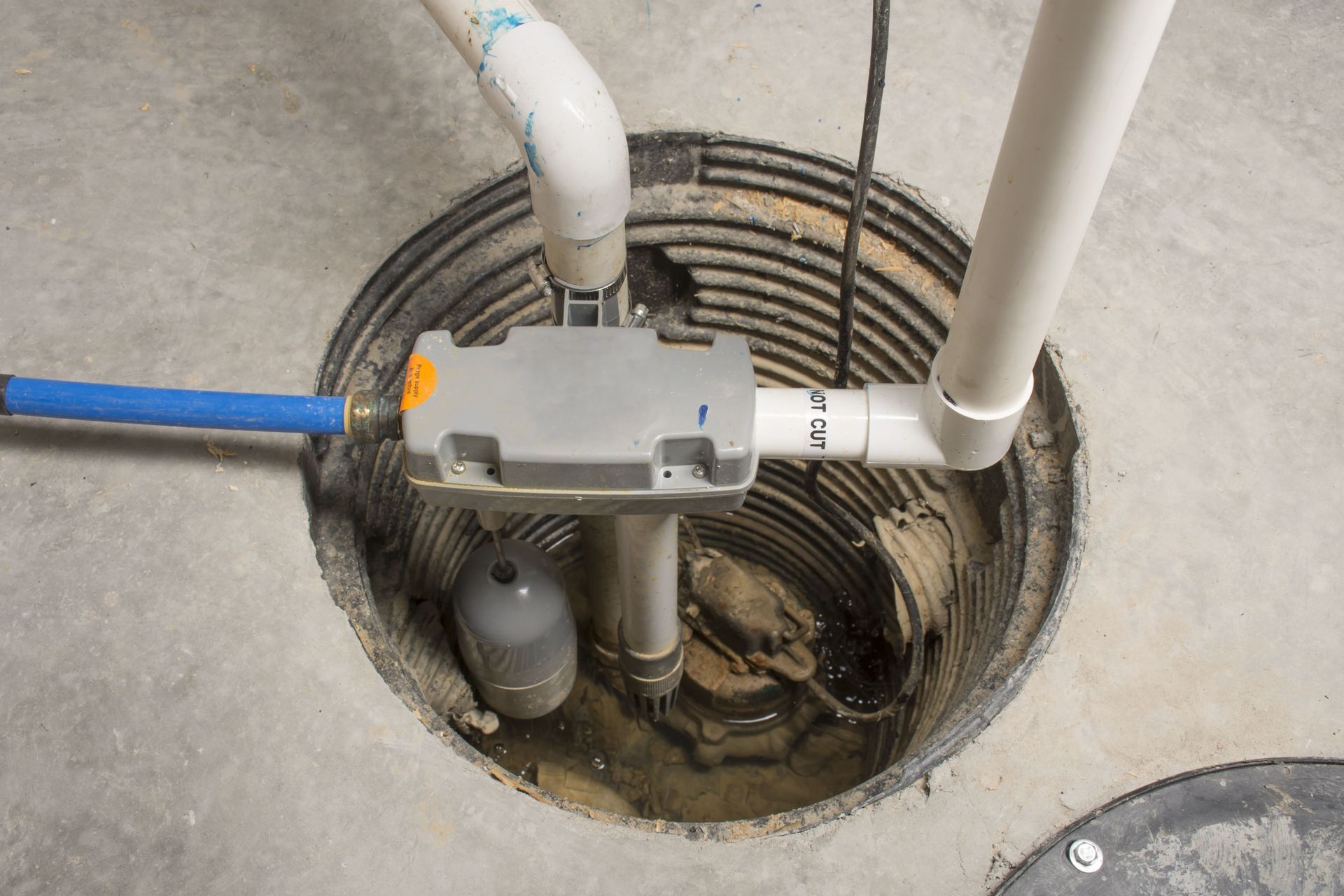
A sump pump is designed to collect and redirect excess groundwater away from your home’s foundation. It typically sits in a sump pit at the lowest point of the basement or crawl space and activates automatically when water levels rise. By moving water away from the structure, it helps prevent flooding, mold growth, and foundation damage.
Because sump pumps often operate quietly and out of sight, homeowners may not notice issues right away. Many problems develop gradually, becoming obvious only when the pump is needed most. Understanding how the system should function makes it easier to spot changes that signal trouble.
Regular awareness is especially important given the widespread reliance on these systems. According to Fortune Business Insights, the North American sump pump market size was valued at USD 169.66 million in 2024. This reflects how essential sump pumps are for protecting homes across the region.
Hearing Unusual Noises During Operation
One of the earliest signs of sump pump trouble is unusual noise. While some sound during operation is normal, grinding, rattling, or clanking noises can indicate mechanical issues. These sounds may come from a worn motor, damaged impeller, or debris caught inside the pump.
Ignoring abnormal noises can lead to more serious damage over time. Parts under stress may fail completely, leaving the pump unable to function during heavy rainfall. When these sounds persist or worsen, professional evaluation becomes necessary.
Noticing Frequent or Constant Cycling
A sump pump that turns on and off too frequently may be struggling to regulate water levels properly. Short cycling can be caused by a stuck float switch, improper pump size, or electrical issues. Constant cycling places extra strain on the motor and reduces the lifespan of the unit.
In some cases, frequent activation may indicate rising groundwater levels or drainage problems around the home. While environmental factors play a role, the pump itself may also be failing to manage the load efficiently.
Addressing this issue early helps prevent burnout and unexpected failure. A professional assessment ensures the pump is operating correctly and sized appropriately for your home.
Observing Visible Water or Dampness
Visible water accumulation in the basement or crawl space is a clear sign that the sump pump may not be doing its job. Damp floors, water stains, or pooling near the sump pit suggest inadequate drainage or pump failure. Even small amounts of moisture can lead to mold growth and structural deterioration over time.
Homeowners sometimes assume these issues are due to heavy rain alone, but a properly functioning pump should manage typical water intrusion. Persistent dampness indicates that something within the system is not working as intended.
Calling a sump pump repairman allows for a thorough inspection of the pump, discharge line, and drainage system to identify the root cause.
Smelling Odors or Detecting Mold Growth
Unpleasant odors in the basement often signal moisture problems. Standing water or damp conditions create an environment where mold and mildew thrive. These issues not only damage property but can also affect indoor air quality and health.
A failing sump pump may allow water to linger, especially in hidden areas. Over time, organic materials absorb moisture and begin to break down, producing musty smells. Mold growth can spread behind walls or under flooring before becoming visible.
Professional evaluation helps ensure moisture is properly controlled and prevents further damage. Repairing the pump promptly reduces the risk of long-term air quality concerns.
Experiencing Power or Electrical Issues
Sump pumps rely on electricity to operate, making them vulnerable to power-related problems. Tripped breakers, blown fuses, or faulty wiring can interrupt operation without obvious warning. In some cases, the pump may stop working entirely during a storm when power fluctuations are most likely.
Electrical issues can also cause intermittent operation, making the pump unreliable. These problems should not be addressed without proper expertise, as improper handling can pose safety risks.
An experienced sump pump repairman can safely assess electrical connections, recommend solutions, and ensure the system operates reliably when needed most.
Seeing Rust, Corrosion, or Physical Damage
Over time, sump pump components may show signs of wear such as rust, corrosion, or cracked housings. Exposure to moisture and debris accelerates deterioration, especially in older units. Physical damage compromises performance and increases the likelihood of failure.
Visual inspections can reveal these issues before they become critical. Rusted parts may restrict movement or weaken structural integrity, while cracks can lead to leaks or motor exposure.
Replacing worn components early often prevents full system failure. Professional technicians can determine whether repairs are sufficient or if replacement is the safer option.
Noticing the Pump Fails to Activate
A sump pump that does not turn on during rising water levels is a serious concern. This may result from a faulty float switch, motor failure, or electrical problem. In such cases, the risk of flooding increases significantly.
Homeowners may not realize the pump has failed until water is already accumulating. Regular testing helps identify activation issues before emergencies occur. However, once failure is detected, immediate attention is required.
Contacting a sump pump repairman ensures the issue is resolved quickly and reduces the risk of water damage during the next storm.
Considering the Age of the Pump
Sump pumps do not last forever. Most units have a lifespan of several years, depending on usage, maintenance, and environmental conditions. Older pumps are more prone to mechanical wear and inefficiency.
As pumps age, components such as motors and switches become less reliable. Even if the system appears functional, performance may decline gradually. Proactive evaluation helps avoid unexpected failure.
Professionals can assess whether an aging pump still meets your needs or if upgrading to a newer model is advisable.
Evaluating Changes After Heavy Rainfall
If your basement remains dry during light rain but shows signs of moisture after heavier storms, the pump may be struggling to keep up. This pattern suggests reduced capacity or partial failure. Over time, these limitations become more pronounced.
Heavy rainfall tests the limits of sump pump systems. Any weakness becomes apparent under increased demand. Monitoring performance during storms provides valuable insight into the pump’s condition.
Knowing When Professional Help Is Necessary
Some sump pump issues may seem minor at first but can escalate quickly if left unaddressed. While basic maintenance is manageable for homeowners, diagnosing mechanical or electrical problems requires specialized knowledge. Attempting complex repairs without experience can lead to further damage.
Professional technicians bring the tools and expertise needed to restore proper function safely and efficiently. They also provide guidance on maintenance and future prevention strategies.
Recognizing the warning signs of sump pump failure allows homeowners to act before serious damage occurs. From unusual noises to visible water and electrical issues, early detection is key to protecting your property. When problems arise, contacting a qualified sump pump repairman ensures your system is restored quickly and reliably. If you need a professional sump pump repairman, contact Plumb Pro Services today to learn more and get started!