December 2, 2025
In the quest for greater home efficiency and sustainability, many homeowners are turning to tankless water heaters as a modern alternative. These units promise continual hot water while potentially lowering energy bills and reducing environmental impact. Understanding the transition to a tankless system is crucial, as initial costs and installation requirements can vary based on your home and water usage needs. By upgrading, homeowners may benefit from increased energy efficiency, uninterrupted hot water supply, and potential cost savings over time. However, careful consideration of your household needs and budget is important to secure a successful and beneficial upgrade.
Understanding Tankless Water Heaters
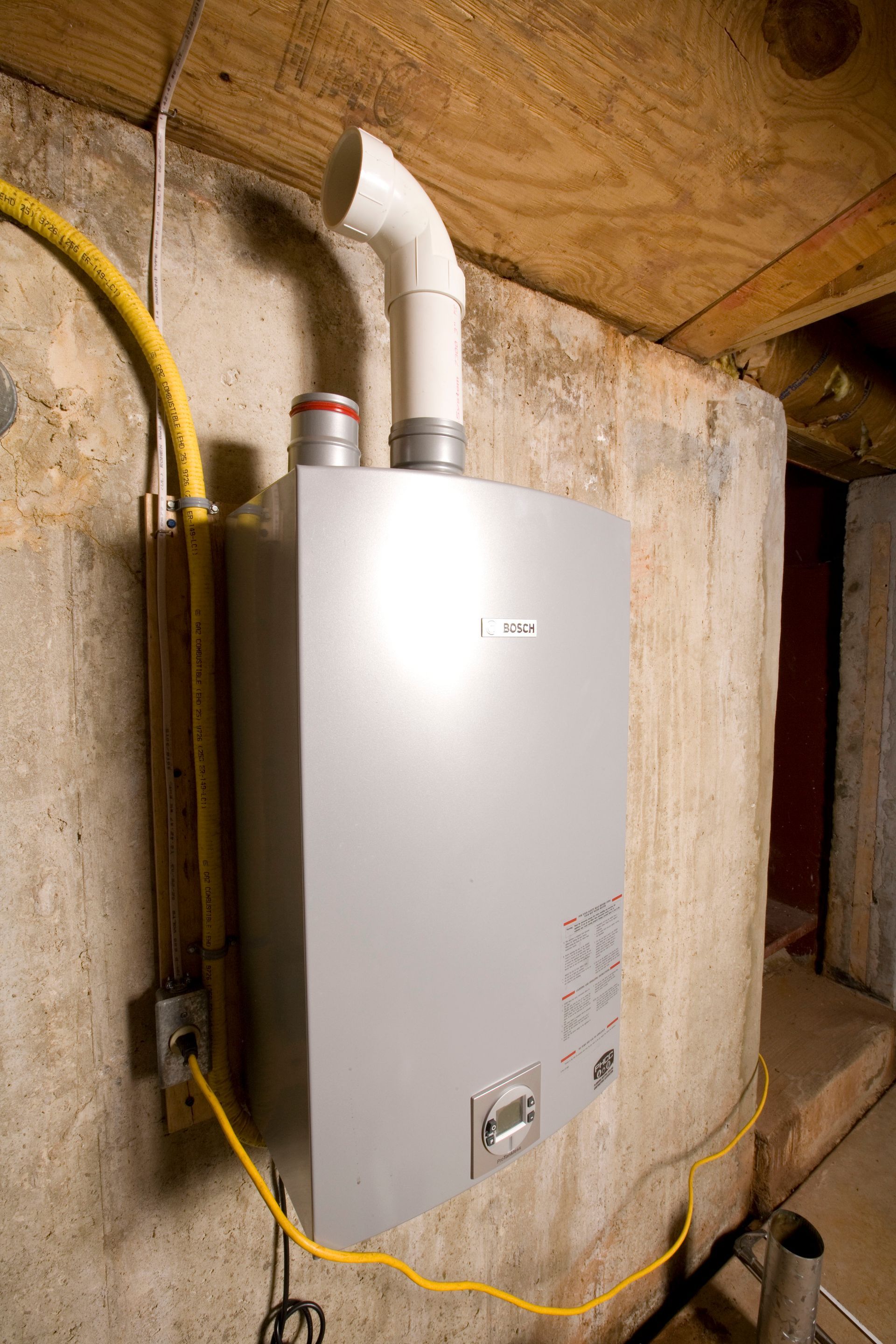
A tankless water heater, also known as an on-demand or instantaneous unit, heats water as it passes through the system rather than storing it in a tank. This eliminates the need for bulky storage tanks and provides hot water only when required. Compact and versatile, these units are available in electric and gas-powered models, making them suitable for homes with varying demands. Their primary advantage is the ability to provide an endless hot water supply, provided the system is sized correctly.
When a tap is opened, cold water flows into the heater, where a gas burner or electric element heats it instantly. This design removes the waiting period associated with storage tanks and offers seamless delivery of hot water. Proper sizing is vital, as an undersized unit may struggle during peak demand. Homeowners considering tankless water heaters should evaluate their household usage carefully to achieve the best results.
Comparing Tankless and Traditional Systems
The key difference between tankless and traditional systems lies in their operation and energy consumption. Conventional water heaters continuously heat a large volume of stored water, resulting in standby energy loss and higher bills. Tankless models, by contrast, only heat water when needed, reducing waste. According to the Department of Energy, for homes that use 41 gallons or less of hot water daily, tankless systems can be 24%–34% more energy efficient than conventional storage tank water heaters.
This improved efficiency translates into reduced costs and environmental advantages over time. According to the U.S. Department of Energy, traditional water heaters typically last 10–15 years, while tankless water heaters can operate for up to 20 years with proper maintenance. The compact design also saves valuable space in homes with limited utility areas. For many households, the switch to tankless water heaters represents both a performance and efficiency upgrade.
Assessing Home Needs Before Upgrading
Before making the switch, homeowners should carefully evaluate their household’s hot water demand. Calculating flow rate requirements, typically measured in gallons per minute (GPM), helps identify the correct unit size. For example, simultaneous showers and appliance use may require higher-capacity systems. An accurate assessment prevents both undersizing and oversizing, ensuring consistent performance.
It’s equally important to examine the current water heating system. Older or inefficient heaters may justify faster replacement, especially if energy bills are already high. Consider whether your home supports gas or electricity more efficiently, as this will guide whether an electric or gas-powered model is most practical. Tankless water heaters require adequate space for ventilation in gas systems, while electrical setups must have the right capacity for demand. Budget considerations, including rebates and long-term savings, also play a role in the decision.
Another factor to weigh is your household’s future needs. Families that expect growth—such as welcoming children or hosting long-term guests—may benefit from investing in a slightly larger system to avoid future shortages. Likewise, homeowners planning renovations, such as adding bathrooms or expanding laundry capacity, should factor these upgrades into their decision. Taking a forward-looking approach ensures that the chosen tankless water heater not only meets current demand but also adapts to lifestyle changes, preventing the need for premature replacement or costly system modifications.
Choosing the Right Unit for Your Household
Sizing is critical when selecting a tankless water heater. Accurately calculating peak hot water use ensures uninterrupted supply, particularly during busy times such as mornings. Online calculators and professional consultations help homeowners select the most appropriate unit.
Fuel choice also matters. Electric models are generally easier to install but may cost more to run in areas with high electricity rates. Gas-powered models heat water more quickly but require venting and may involve additional installation costs. Looking at efficiency ratings, such as the Energy Factor (EF), provides insight into operational costs. Units with higher ratings often translate to more savings over time. Additional features like digital displays, modulating burners, and frost protection can also enhance convenience, efficiency, and safety.
When comparing options, it’s also helpful to consider the availability of local service and maintenance support for each fuel type. Some regions may have more technicians trained in servicing gas-powered systems, while others may favor electric models. Accessibility to replacement parts and repair expertise can significantly impact the long-term reliability of your unit. By choosing a fuel source that’s not only cost-effective but also supported by readily available maintenance services, homeowners can protect their investment and avoid unexpected downtime.
Installing and Maintaining Tankless Water Heaters
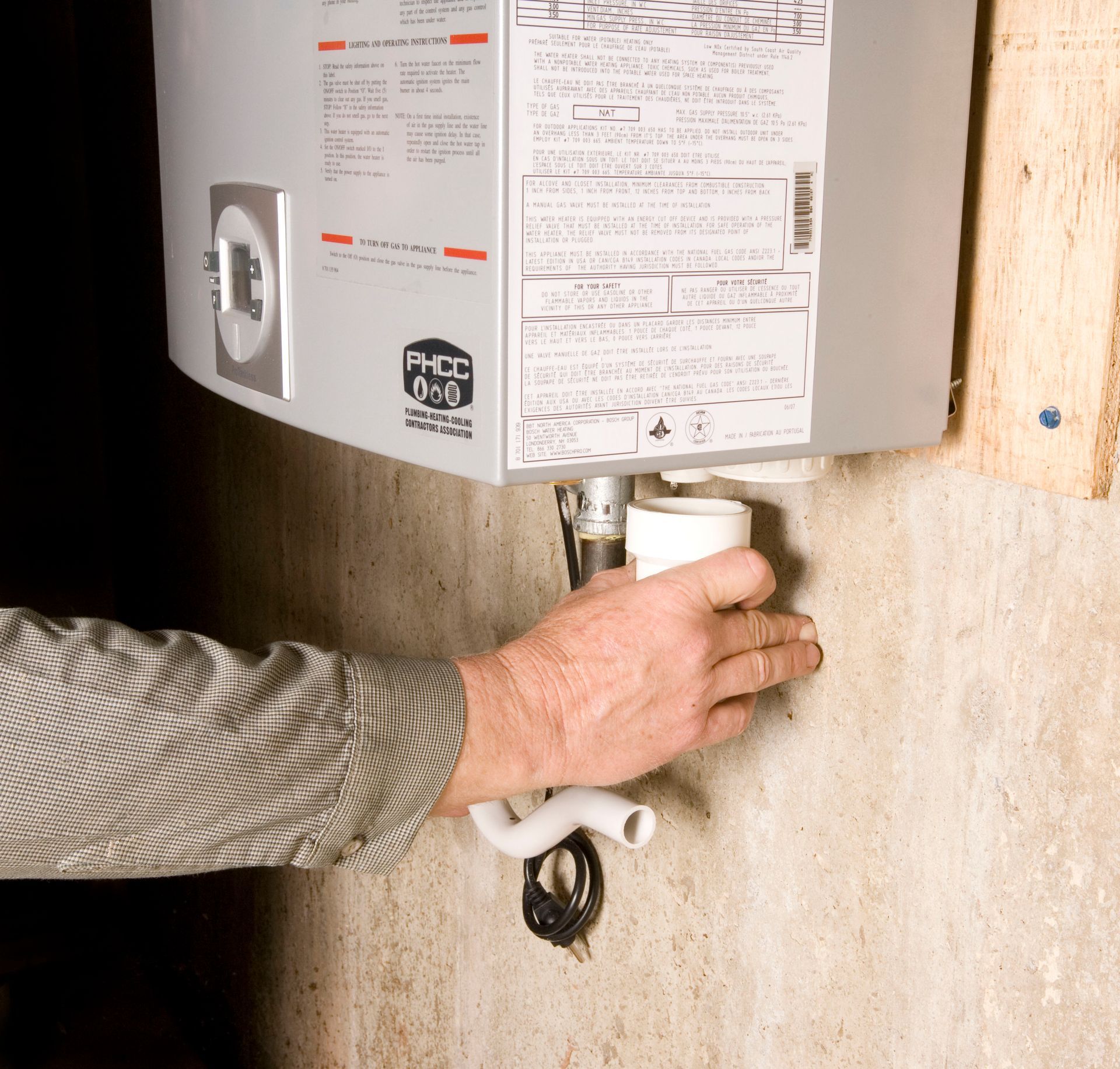
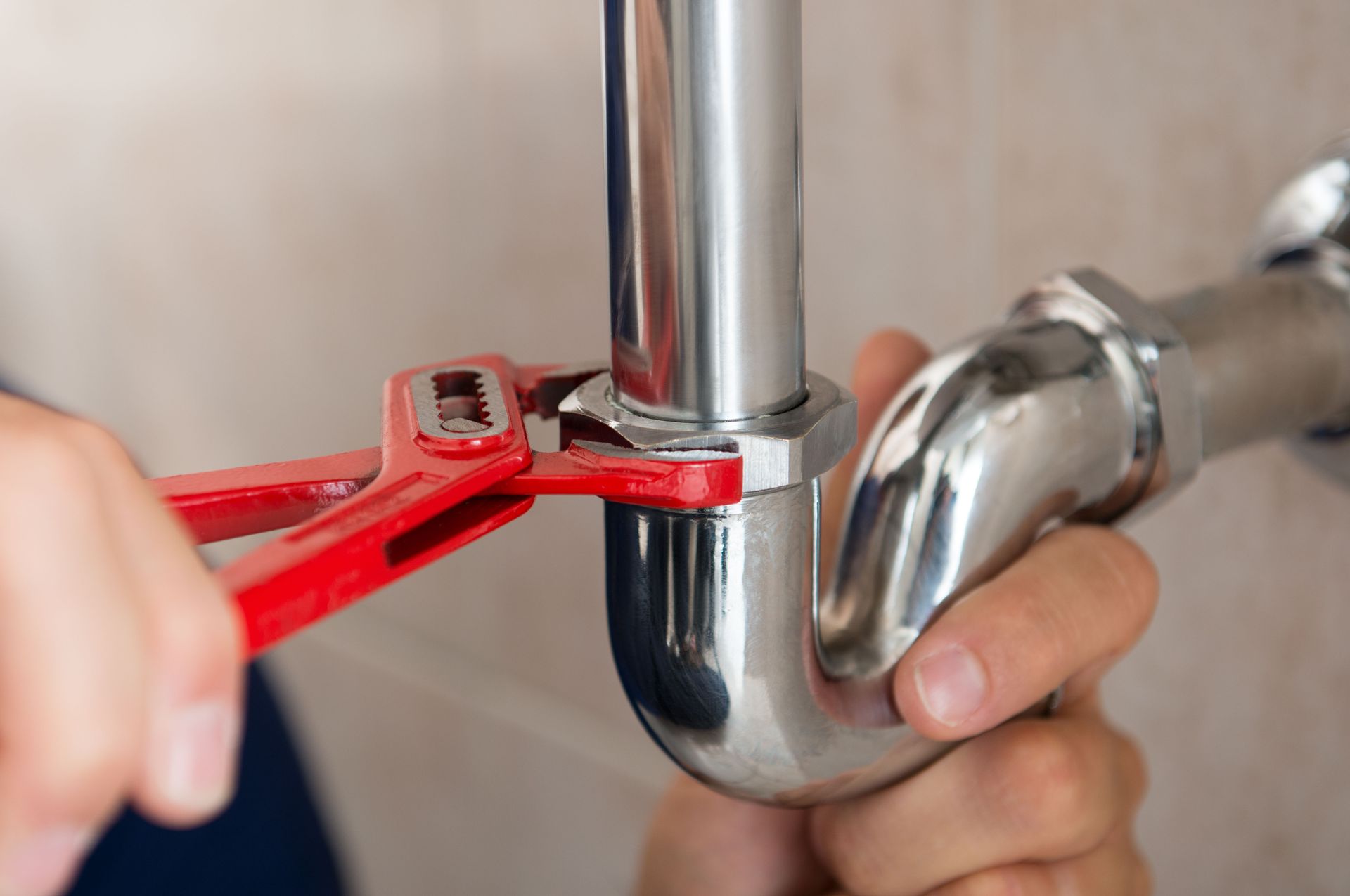
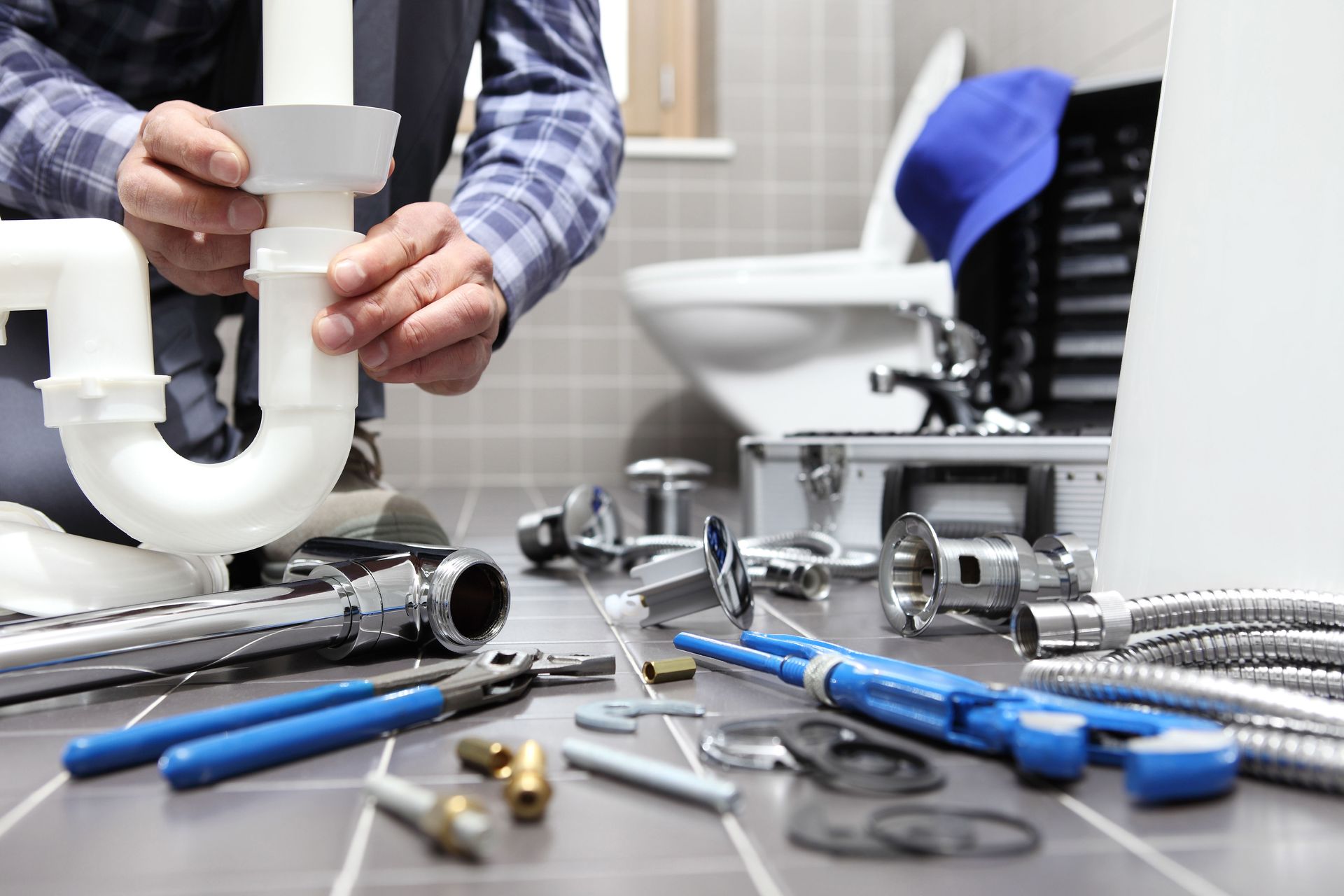
When it comes to installation, deciding between DIY and professional service is significant. While confident DIYers may attempt the process, professional installation often proves safer and more reliable, especially with gas-powered models. A professional can confirm compliance with codes, proper venting, and safe connections, reducing long-term risks.
Preparation steps include inspecting venting systems, confirming electrical capacity, and checking plumbing compatibility. Installation typically involves shutting off utilities, securing the unit, and connecting it to water lines and power or gas. Testing the system ensures no leaks or malfunctions. Homeowners should avoid common mistakes such as improper sizing, ignoring maintenance access, or neglecting manufacturer guidelines. Tankless water heaters perform best when installed correctly with room for future upkeep.
Ongoing maintenance keeps tankless water heaters running efficiently for decades. Regular tasks include filter cleaning, leak checks, and descaling to remove mineral buildup. Areas with hard water require more frequent descaling, making it a critical step for performance. Troubleshooting common problems, such as inconsistent water temperatures or error codes, often involves simple resets or cleaning. Persistent issues may require professional attention to prevent system damage.
Maximizing Efficiency and Environmental Benefits
These systems also provide long-term financial and environmental benefits. By heating water only as needed, they cut energy consumption significantly. According to the Department of Energy, tankless heaters can reduce household energy use by up to one-third in certain cases. Over time, this efficiency lowers utility bills and reduces greenhouse gas emissions. Available rebates and incentives can also offset upfront costs. For many households, the shift to tankless water heaters is not just practical but also an eco-conscious choice that enhances property value.
Tankless water heaters deliver an efficient, space-saving, and eco-friendly alternative to traditional storage systems. From evaluating household needs and sizing the unit properly to selecting features and arranging professional installation, homeowners can maximize the benefits of this modern upgrade. When maintained regularly, these systems provide decades of reliable hot water while lowering utility costs and reducing environmental impact.
If you're ready to explore the benefits of upgrading your home, reach out to Plumb Pro Services today. Their professional team can guide you through selecting and installing the right tankless system for your household. Take the next step toward energy savings, comfort, and peace of mind by contacting Plumb Pro Services for your installation.