November 11, 2026
Plumbing works largely out of sight until something interrupts daily life. Water travels through pipes behind walls, fixtures are used repeatedly, and drains carry waste away without much attention. A small change in performance may seem harmless, yet it can point to a condition that deserves professional evaluation.
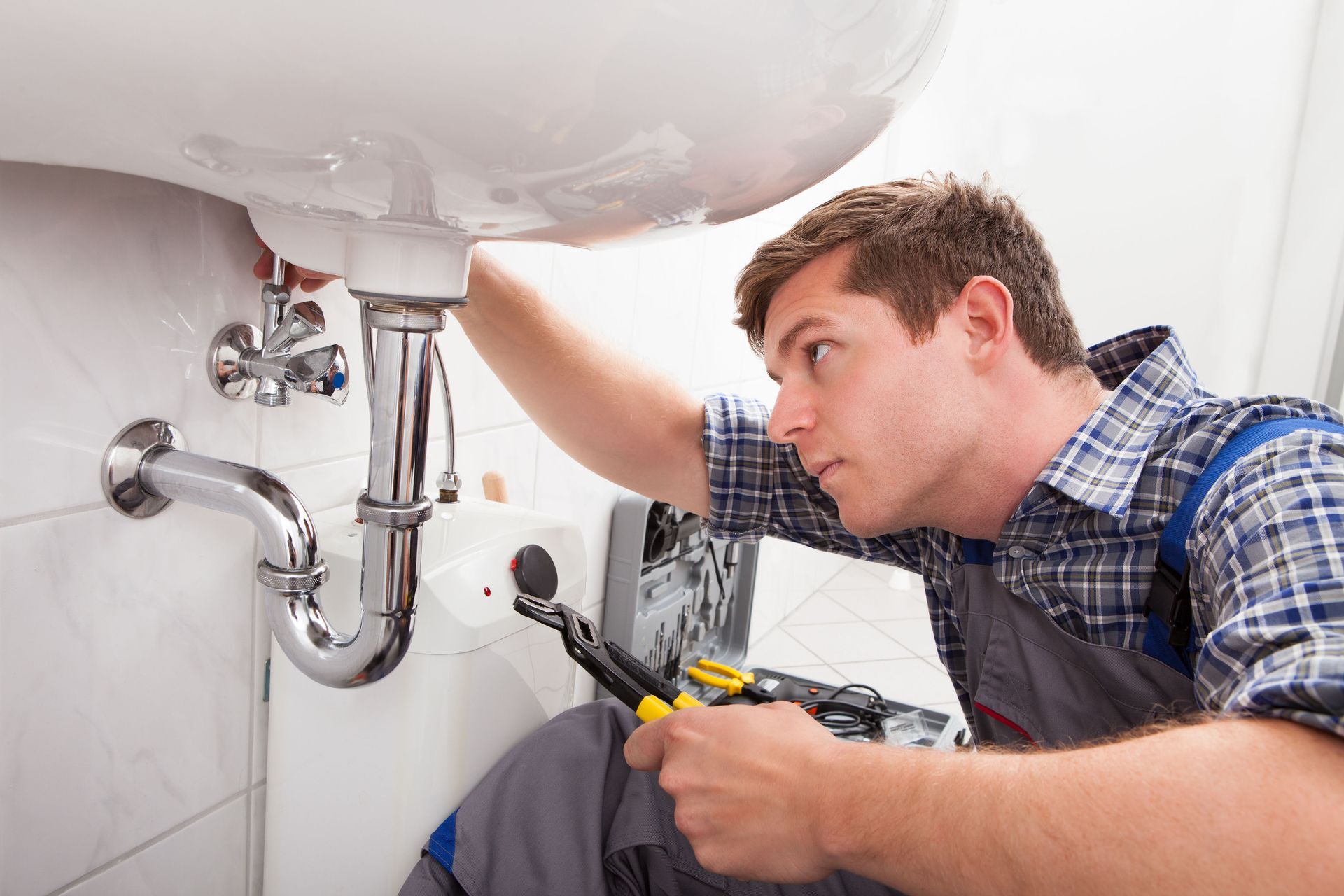
Routine plumbing inspections give homeowners and business operators an opportunity to understand how their systems are functioning before a major interruption occurs. Rather than waiting for a leak or stoppage, a routine visit gives a local plumber a chance to examine developing concerns, explain their significance, and recommend maintenance when appropriate. The value of an inspection lies in having useful information about the system, not in assuming that every visit will uncover a problem.
Identify Pipe Problems Before They Become Disruptive
Pipes can develop vulnerabilities over time, including corrosion, weakened connections, or conditions that contribute to leaks. Some concerns remain concealed until water reaches an area where damage becomes visible. Dampness near a fixture may also point to a connection needing closer attention. An inspection provides an opportunity to examine accessible plumbing and identify warning signs that may warrant further investigation.
A professional does not need to recommend major work simply because a pipe is older. Its condition, location, and performance are more useful considerations than age alone. By examining potential trouble spots, a local plumber can help distinguish an issue that needs attention from one that should continue to be monitored. The resulting guidance can help property owners make decisions before a sudden failure forces a more urgent response.
Understand Changes in Water Pressure
An unexpected drop in water pressure can affect several fixtures, while unusually high pressure may place added strain on parts of a plumbing system. Neither condition reveals its cause without an assessment. Problems may originate from a component, a restriction, or another condition that requires closer examination.
Pressure testing during a plumbing inspection provides information that ordinary day-to-day use cannot reliably supply. The results help a professional consider whether an adjustment or further plumbing work is appropriate. Property owners may notice weak flow at one sink, for example, while other fixtures seem unaffected. Sharing that detail gives a local plumber context for evaluating the problem without assuming the entire building has the same issue.
Understanding the difference between an isolated symptom and a wider concern helps prevent an unsuitable repair recommendation.
Support Reliable Water Heater Performance
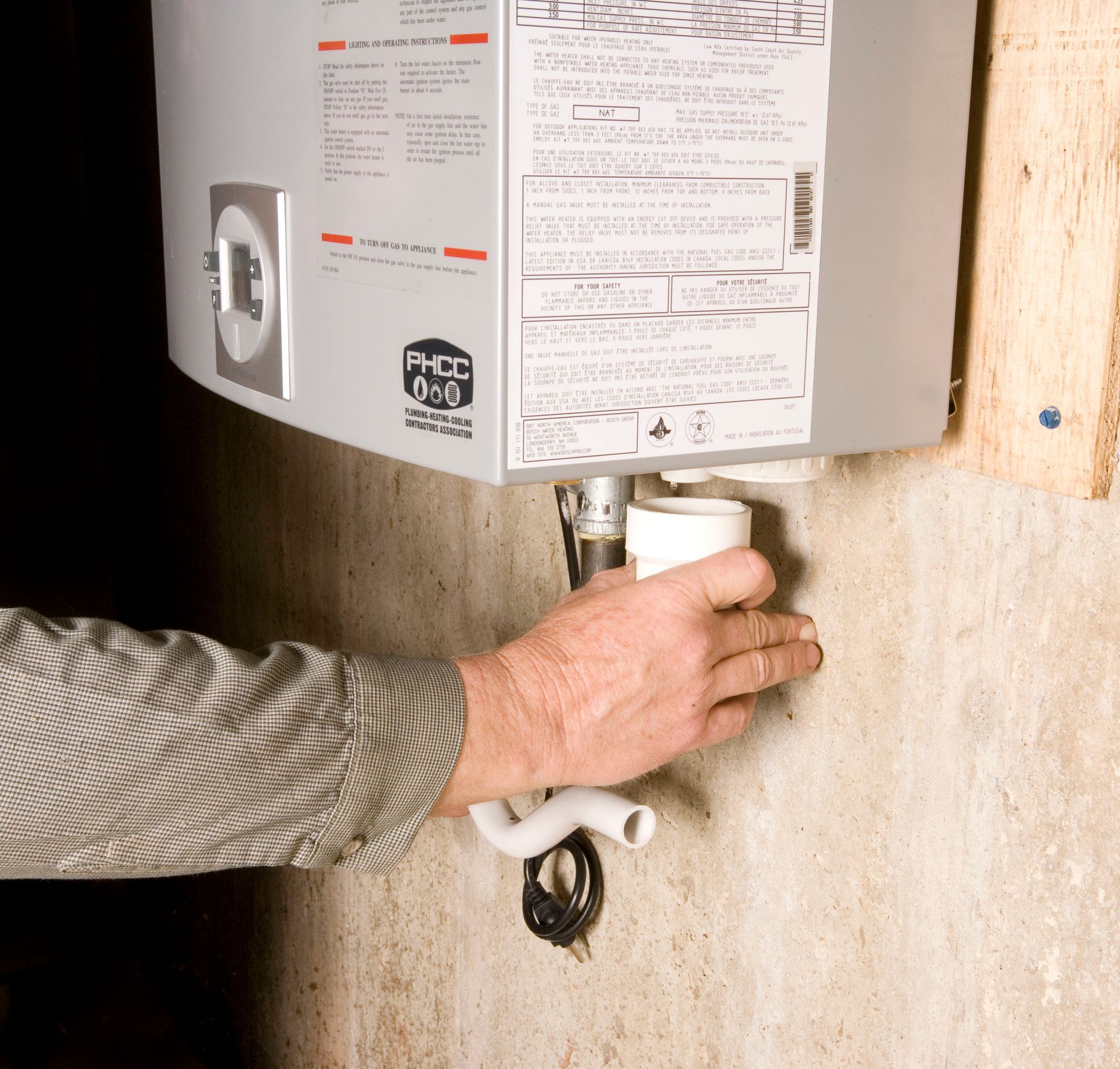
A water heater can continue operating even as conditions develop that interfere with its performance. Sediment accumulation, inconsistent hot water, or changes in how the unit operates may deserve attention. Because water heaters differ in design, the appropriate evaluation depends on the equipment installed and the symptoms reported. Previous service history can help clarify whether a symptom is new or recurring.
Regular professional care can include checking for sediment buildup and discussing whether flushing or other maintenance is needed. Tankless systems also require attention suited to their particular operation. For owners who have experienced fluctuating temperatures or reduced hot water availability, that assessment can provide a starting point for deciding whether maintenance, repair, or replacement warrants further discussion. No inspection can guarantee that equipment will never malfunction, but identifying relevant concerns supports informed planning.
Take Drain and Sewer Warning Signs Seriously
Slow drainage or a recurring stoppage is easy to dismiss when water eventually disappears. Yet repeated symptoms may indicate a problem that has not been resolved. A professional inspection creates an opportunity to discuss where difficulties occur, how frequently they return, and whether the issue seems confined to one fixture or affects a wider part of the system.
Drain and sewer concerns are especially disruptive when they interfere with bathrooms, kitchens, or work areas that people depend on. Discussing these patterns with a local plumber helps establish whether further service is appropriate. For commercial systems, specialized services such as sewer camera inspection and jetting may be relevant when conditions call for them. The objective is not to perform every available procedure at each visit, but to choose a response supported by the actual condition of the plumbing.
Protect Water Supply Components and Connections
A plumbing system must do more than deliver water to a faucet. Its connections and protective components also need to function as intended. In commercial buildings, backflow prevention devices are particularly important because they help prevent unwanted reverse flow that could compromise a water supply. These devices may require professional testing and service under applicable requirements.
Backflow testing is a distinct professional service, not something that automatically occurs during every general inspection. Discussing the property type and its existing equipment helps determine whether a certified provider should evaluate a device. In homes, an inspection may instead concentrate on water supply piping, fixture connections, and other components suited to the building. Taking these differences into account makes the assessment relevant rather than relying on the same checklist for every property.
Make Maintenance More Predictable
Waiting for something to break leaves little opportunity to plan around an interruption. A routine visit provides a set occasion to discuss the system's condition and prioritize any recommended work. That is particularly useful for businesses where an unexpected plumbing issue may interrupt customers, employees, or normal operations.
According to Therma.com, professional attention is generally recommended on an annual basis for most plumbing systems. An annual interval provides a reasonable starting point, although a property's age, condition, usage, and previous issues may justify a different schedule. Rather than treating a yearly appointment as an automatic repair visit, owners can use it to review changes and decide what needs attention. Working with a local plumber on a consistent schedule also makes it easier to explain whether a symptom is new, recurring, or becoming more frequent.
Make Better Decisions About Repairs and Replacements
An inspection may reveal a worn fixture, a pipe concern, or a water heater that is no longer performing as expected. These findings do not necessarily require replacing the entire system. In some circumstances, a targeted repair or maintenance visit may address the issue; in others, more extensive work may be appropriate.
Having a professional explain the reason for a recommendation helps owners evaluate what work is necessary. For example, an isolated fixture problem is different from a wider piping issue that affects several parts of the property. A conversation with a local plumber can clarify the observed condition and available service options without suggesting that every symptom has only one solution. The benefit is greater clarity about the scope of a problem before the next decision is made.
Account for Changing Needs on the Property
Plumbing demands do not remain fixed. A remodeled bathroom, additional fixtures, or heavier day-to-day use can change how a system is used, while older pipes and appliances may need closer attention as time passes. An inspection offers a chance to discuss these changes within the context of the property's existing plumbing.
This is especially useful for business operators managing spaces with varying occupancy and for homeowners preparing for a renovation. Involving a local plumber before plans progress can clarify concerns with existing pipes and fixtures and whether maintenance or further plumbing work is appropriate. That perspective does not replace renovation planning, but it gives owners a clearer picture of the plumbing they already rely on.
Plumbing inspections are valuable because they make gradual changes easier to recognize before they become disruptive. An informed understanding of the system gives property owners a stronger basis for maintenance and repair decisions. Our team at Plumb Pro Services provides residential and commercial plumbing inspections, general maintenance, and repairs. Contact us to discuss your property's plumbing needs and arrange a professional evaluation.